
Managing pain effectively requires choosing the right medication based on pain severity, duration, and patient health. Oxycodone is one of the most commonly prescribed opioid pain relievers, but it is not always the first option. oxycodone vs other pain medications guide explains how oxycodone compares to other pain medications, including non-opioid and opioid alternatives, to help patients better understand their treatment options.
What Is Oxycodone?
Oxycodone is a prescription opioid analgesic used to treat moderate to severe pain when other pain relievers are insufficient. It works by binding to opioid receptors in the brain and spinal cord, reducing pain signals and altering the body’s response to pain.
Common Forms
- Immediate-release (IR) – short-term pain relief
- Extended-release (ER) – long-lasting pain control
Standard Adult Doses (For Educational Purposes Only)
- Immediate-release: 5–15 mg every 4–6 hours as needed
- Extended-release: 10–80 mg every 12 hours
Actual doses depend on pain severity, opioid tolerance, and medical evaluation.
Oxycodone vs Non-Opioid Pain Medications
Acetaminophen (Paracetamol)
Best for: Mild pain, fever, headaches
- Typical dose: 500–1000 mg every 4–6 hours
- Maximum daily dose: 3,000–4,000 mg
Comparison:
Acetaminophen is safer and widely used but lacks the strength needed for severe pain. Buying Oxycodone Online is prescribed when acetaminophen alone does not provide relief.
NSAIDs (Ibuprofen, Naproxen)
Best for: Inflammatory pain, arthritis, muscle injuries
- Ibuprofen: 200–800 mg every 6–8 hours
- Naproxen: 250–500 mg twice daily
Comparison:
NSAIDs reduce inflammation, which oxycodone does not. However, NSAIDs may cause stomach, kidney, or heart issues with long-term use. Oxycodone offers stronger pain relief but carries a higher risk of dependence.
Oxycodone vs Other Opioid Pain Medications
Hydrocodone
Strength: Slightly weaker than oxycodone
Dose: 30mg every 4–6 hours
Comparison:
Both medications treat moderate to severe pain, but oxycodone is often considered more potent and longer-lasting for certain patients.
Morphine
Strength: Comparable, but less potent orally
Dose: 15mg every 4 hours (oral)
Comparison:
Morphine is frequently used in hospitals, while oxycodone is preferred for outpatient pain management due to better oral absorption.
Tramadol
Strength: Weaker opioid
Dose: 50–100 mg every 4–6 hours (max 400 mg/day)
Comparison:
Tramadol is used for moderate pain and has a lower abuse potential but may not be effective for severe pain where oxycodone is needed.
Pain Severity and Medication Choice
| Pain Level | Common Options |
|---|---|
| Mild | Acetaminophen, NSAIDs |
| Moderate | Tramadol, Hydrocodone |
| Severe | Oxycodone, Morphine |
Healthcare providers usually follow a step-wise approach, starting with safer medications before prescribing stronger opioids.
Risks and Safety Considerations
Oxycodone is effective but carries significant risks, including:
- Physical dependence and tolerance
- Respiratory depression
- Drowsiness and dizziness
- Risk of misuse or overdose
Patients should never combine oxycodone with alcohol or sedatives unless directed by a doctor. Close medical supervision is essential.
Choosing the Right Pain Medication
The best pain medication depends on:
- Severity and cause of pain
- Treatment duration
- Patient age and health conditions
- Risk factors for side effects or addiction
Oxycodone is typically prescribed only when benefits outweigh risks and other treatments have failed.
Frequently Asked Questions (FAQ)
Is oxycodone stronger than ibuprofen?
Yes. Oxycodone is significantly stronger and used for severe pain, while ibuprofen is for mild to moderate inflammatory pain.
Is oxycodone stronger than tramadol?
Yes. Oxycodone is more potent and effective for severe pain compared to tramadol.
Can oxycodone be taken long-term?
Only under strict medical supervision. Long-term use increases the risk of dependence and tolerance.
Why do doctors prescribe oxycodone instead of morphine?
Oxycodone has better oral absorption and may cause fewer side effects for some patients.
Is oxycodone safe when taken as prescribed?
When taken exactly as prescribed and monitored by a healthcare provider, oxycodone can be used safely for appropriate pain conditions.
Final Thoughts
Oxycodone is a powerful pain medication reserved for moderate to severe pain when other treatments are ineffective. Compared to non-opioid medications and weaker opioids, it provides stronger relief but requires careful medical oversight due to its risks.
Patients should always discuss dosage, duration, and alternatives with a licensed healthcare provider to ensure safe and effective pain management.

Hottest Deals
-
Product on sale
 Fioricet (butalbital 40mg)$239.00 – $1,250.00
 -
Product on sale
 Blue Xanax Bar$239.00 – $1,280.00
 -
Product on sale
 Kamagra 100mg$239.00 – $1,280.00
 -
Product on sale
 Tapentadol 50mg$239.00 – $1,280.00
 -
Product on sale
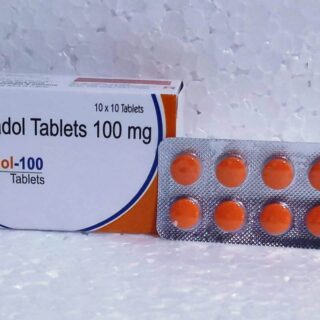 Tapentadol 100mg$239.00 – $1,280.00
 -
Product on sale
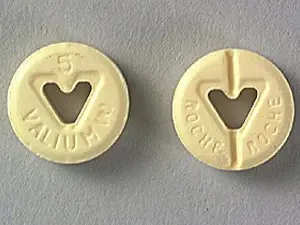 Valium 5mg$245.00 – $1,280.00
 -
Product on sale
 Valium 10mg$239.00 – $1,365.00
 -
Product on sale
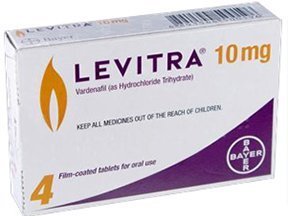 Levitra 10mg$239.00 – $1,280.00
Leave a Reply